
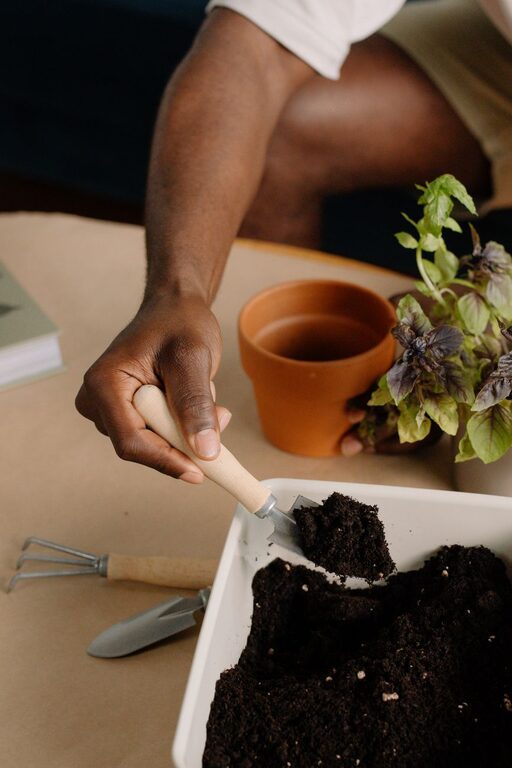
Starting a small herb garden indoors is a rewarding way to bring fresh flavours into your kitchen and add a touch of greenery to your living space. Whether you have a windowsill, a balcony, or a small corner in your home, growing herbs indoors is achievable and enjoyable, even for beginners. This guide will walk you through the essential steps to set up and maintain a thriving indoor herb garden.
Why Grow Herbs Indoors?
Growing herbs inside your home offers several benefits:
– Freshness: Use herbs straight from your garden for better taste and aroma.
– Convenience: No need to dash to the shops for every recipe.
– Cost-effective: Save money by growing your own rather than buying fresh herbs regularly.
– Year-round growth: Indoor conditions protect herbs from harsh weather, allowing continuous harvest.
– Aesthetic and air quality: Herbs add greenery and can improve indoor air quality.
Choose the Right Herbs for Indoor Growing
Not all herbs thrive indoors, so select varieties suited to low light and contained spaces. Some easy-to-grow indoor herbs include:
– Basil: Loves light and warmth; perfect for sunny windowsills.
– Parsley: Tolerates moderate light and provides a fresh flavour boost.
– Mint: Grows vigorously and needs regular trimming to avoid overgrowth.
– Chives: Hardy and compact, with subtle oniony flavours.
– Thyme: Drought-tolerant and suitable for dry conditions.
– Coriander (Cilantro): Prefers cooler spots and good air circulation.
Selecting Containers and Soil
Containers
Choose pots that have drainage holes to prevent waterlogging, which can harm roots. You can use:
– Traditional terracotta or ceramic pots
– Recycled containers like tin cans or jars (ensure drainage is added)
– Special herb garden kits with compartments
Opt for pots that are about 10-15 cm deep for most herbs to allow roots enough room.
Soil
Use a high-quality, well-draining potting mix formulated for herbs or vegetables. Avoid regular garden soil which might compact and retain too much moisture indoors.
Finding the Right Location
Herbs generally need at least 4-6 hours of sunlight daily. A south-facing window is ideal in the UK, but east or west-facing windows can also work if sunlight is sufficient. If natural light is limited:
– Consider using a grow light to supplement light for 12-16 hours daily.
– Rotate plants regularly to promote even growth.
Planting Your Herb Garden
Starting from Seeds or Starter Plants
– Seeds: Many herbs grow quickly from seed; read the packet instructions for best sowing times and depths. Seeds might take longer and need careful monitoring.
– Starter plants: Buying young herb plants from nurseries can speed up the process and offer a more immediate harvest.
Planting Steps
- Fill pots with potting mix, leaving a small gap at the top.
- Sow seeds or plant seedlings according to depth requirements.
- Water gently to moisten the soil, but avoid saturation.
- Label pots to remember each herb variety.
Caring for Your Indoor Herb Garden
Watering
Herbs prefer evenly moist soil but dislike sitting in water. Water when the top 2-3 cm of soil feels dry. Early morning watering is best to avoid mould or mildew.
Feeding
Use a balanced, water-soluble fertiliser once every 4-6 weeks during the growing season. Avoid over-fertilising, which can reduce flavour intensity.
Pruning and Harvesting
Regularly pinch or cut back leaves to encourage bushier growth and prevent flowering, which can make herbs taste bitter. Harvest in the morning when essential oils are most potent.
Pest Control
Indoor herbs can attract pests like aphids or spider mites. Inspect plants weekly and treat any infestations using natural remedies like neem oil sprays.
Troubleshooting Common Issues
– Leggy plants: Often caused by insufficient light. Move closer to a window or add a grow light.
– Yellow leaves: May indicate overwatering or nutrient deficiency.
– Slow growth: Could be due to poor soil, wrong temperature, or lack of feeding.
Creative Ways to Use Your Indoor Herb Garden
– Add fresh herbs to salads, soups, and cocktails.
– Make homemade herbal teas.
– Use herbs as natural air fresheners or in homemade beauty products.
– Gift potted herbs to friends and family.
Final Tips for Success
– Start small and add more herbs as you gain confidence.
– Keep a growing journal to track watering, feeding, and growth.
– Enjoy the process and personalise your indoor herb garden to suit your taste and space.
With a bit of care and attention, your indoor herb garden will thrive and bring joy, flavour, and freshness to your home throughout the year. Happy gardening!