
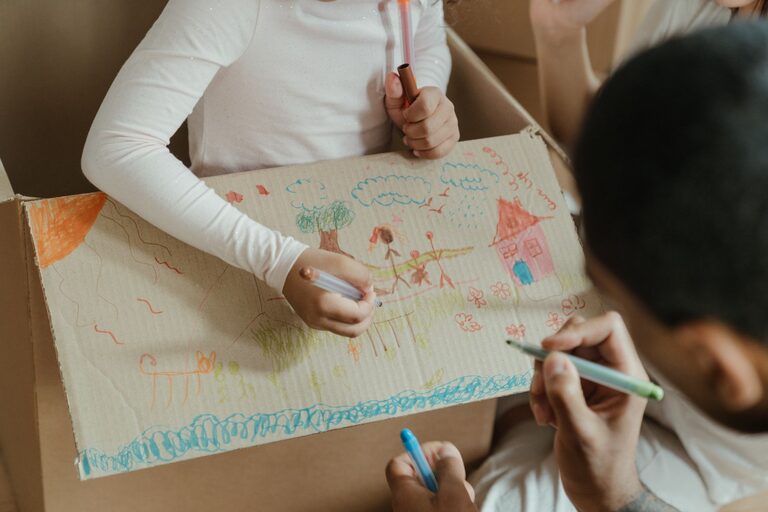
Children’s artwork is a wonderful way to see their creativity and imagination flourish. However, as the drawings, paintings, and crafts pile up, it can quickly become overwhelming to keep them tidy and organised. Whether you’re a parent, grandparent, or caregiver, finding practical ways to manage kids’ art helps preserve memories and keeps your home clutter-free.
In this post, we’ll explore several simple strategies to organise kids’ art, from storage solutions to display ideas that celebrate their creativity.
Why Organising Kids’ Art Matters
Kids’ art can be very precious, but it is also produced in large volumes. Organising these creations helps you:
– Avoid clutter and mess in your home
– Keep artwork in good condition, preventing damage
– Easily find and share pieces when you want to
– Encourage children by showing their creativity is valued
– Create lasting memories to enjoy for years
With these benefits in mind, let’s jump into practical tips to get started.
1. Set Up a Dedicated Art Space
Having a specific area for art projects keeps supplies and finished pieces contained. This could be a corner of a room, a desk, or a storage unit.
Ideas for your art space:
– Use plastic drawers or baskets to store paper, paints, and brushes
– Label containers for easy identification and tidying
– Include a surface for the child to work on comfortably
– Place a pinboard or wire with clips nearby for displaying recent creations
Having a consistent spot makes it easier for both you and your child to manage art materials and finished works.
2. Create an Art Display Area
Instead of hiding all the artwork in boxes, showcase some pieces around your home. This shows appreciation and decorates your space.
Display ideas:
– Use a rotating gallery frame that opens easily to swap artworks in and out
– Hang a clothesline-style wire with mini pegs for an informal gallery
– Designate a wall or door as an art zone using removable hooks or magnetic strips
– Frame a few special pieces for a more polished look
Changing the display regularly keeps things fresh and exciting for your child.
3. Sort and Declutter Regularly
It’s important to sort art frequently to avoid overwhelming piles. Not every piece needs to be kept, and involving your child in the process can be a valuable lesson.
Sorting tips:
– Decide together which artworks are special and worth saving
– Recycle or repurpose less important pieces
– Take photos of art before discarding for a digital keepsake
– Store favourites in a labelled portfolio or box
Regular decluttering prevents build-up and helps identify treasured works to keep long-term.
4. Use Organised Storage Solutions
For artwork you want to keep, invest in storage that protects and organises.
Storage options:
– Flat archival boxes sized for paper artworks
– Large binders with plastic sleeves
– Portfolios designed for artists, available in various sizes
– Clear plastic containers with lids for 3D crafts
Store items by date or child’s name if you have more than one artist. Make sure storage areas are dry and cool to preserve the art.
5. Digitise Artwork for Long-Term Preservation
Space limitations can make keeping every piece tough. Digitising offers a way to keep the memories without the physical clutter.
Digitising methods:
– Photograph or scan each artwork in good lighting and resolution
– Use apps designed for organising kids’ art digitally
– Create digital albums or slideshows for easy sharing with family
– Consider printing photo books to enjoy a compact, tactile keepsake
Digital copies are easy to backup, so the memories are safe even if the originals get damaged.
6. Encourage Creative Repurposing
Old artwork can be transformed into new creations or gifts, giving it a second life and reducing waste.
Fun repurposing ideas:
– Turn drawings into greeting cards or gift tags
– Use paper art for scrapbooking or collages
– Laminate pieces to make placemats or bookmarks
– Wrap small presents with painted or drawn paper
This approach keeps art meaningful and useful beyond the original creation.
7. Establish a Routine for Art Organisation
Consistency is key. Set a simple routine to handle new artworks as they arrive.
Routine suggestions:
– Designate a “new art” tray or box where finished pieces go
– Schedule weekly or monthly review sessions to sort and store
– Involve your child so they learn to value organisation
– Combine tidying art with storytelling about their work
A routine prevents backlog and keeps everyone on the same page.
Final Thoughts
Organising kids’ art doesn’t have to be a chore. With a little planning and some creative storage and display solutions, you can celebrate your child’s creativity while maintaining a tidy home. Remember to involve your child in the process—it’s a wonderful opportunity to teach organisation skills and show that their efforts are cherished.
Try out these tips and tailor them to suit your family’s needs. Soon, you’ll find a system that makes managing and enjoying kids’ art a pleasure rather than a problem.